
Summary
His Excellency Mohamed Ali Shorafa opened the session with a clear value proposition: Abu Dhabi’s livability agenda is about making everyday life better while building the city into “the world's most livable and lovable destination.” He framed the question of what makes cities work as a shared challenge for people coming from different perspectives: how to make the places where people live better. In Abu Dhabi, he said, this question has deep roots in the legacy of the late Sheikh Zayed bin Sultan Al Nahyan, whose approach to development was meaningful because it improved people’s lives. The examples he gave were specific: agriculture, irrigation, tree planting, and the greening of the desert, which turned difficult land into places capable of sustaining life.
Shorafa then connected that founding legacy to the current leadership of Sheikh Mohammed bin Zayed Al Nahyan and Sheikh Khalid bin Mohammed bin Zayed Al Nahyan. Abu Dhabi’s ambition, he explained, is not only about visible infrastructure but about the ordinary conditions that shape daily experience: easier journeys to work, strong schools and health care, parks and public spaces, and the ability for people to age while remaining independent and connected. He emphasized that livability also includes belonging: attachment to neighborhoods, familiar places, and memories. A city must continue to move forward, he argued, without losing the qualities that residents already love.
The keynote moved next to delivery. Shorafa said Abu Dhabi wants to create the conditions for people and ideas to flourish, making the city a home for families, talent, entrepreneurs, and innovators. Achieving that requires coordination across government and partnership with the private sector. He stressed that residents do not experience government as separate departments; they experience Abu Dhabi as one place. For that reason, government leaders must share knowledge and data, plan together, and work with private partners to deliver the livability agenda. He linked this approach to what he described as one of the UAE’s strengths: being a young, agile, fast-moving nation able to achieve quickly and have impact beyond its size.
In the closing section, Shorafa rejected the idea that livability and investment are separate priorities. When people enjoy living somewhere, he said, they put down roots; talent stays, businesses grow, and communities strengthen. Investment in infrastructure, services, and communities improves places, while better places create stronger economies. This relationship, he said, is one reason LIVX was created. Over the next three days, the aim is to learn from others, share Abu Dhabi’s experience, and identify opportunities to work together. He concluded that LIVX’s success will be measured not by stage remarks but by the partnerships, projects, ideas, and real improvements to people’s lives that follow.
Key Topics
5 key topics from Mohamed Ali Al Shorafa at LIVEX | Main Stage. Thicker branches were mentioned more often in the talk.
Key Takeaways
- Design livability around everyday journeys, services, public spaces, and belonging.
- Coordinate departments so residents experience government as one integrated city.
- Use shared knowledge and data to plan livability improvements together.
- Treat infrastructure and community investment as drivers of stronger economies.
- Measure event success by partnerships, projects, and post-event impact.
“A truly livable city has to move forward without losing what people love about it.”
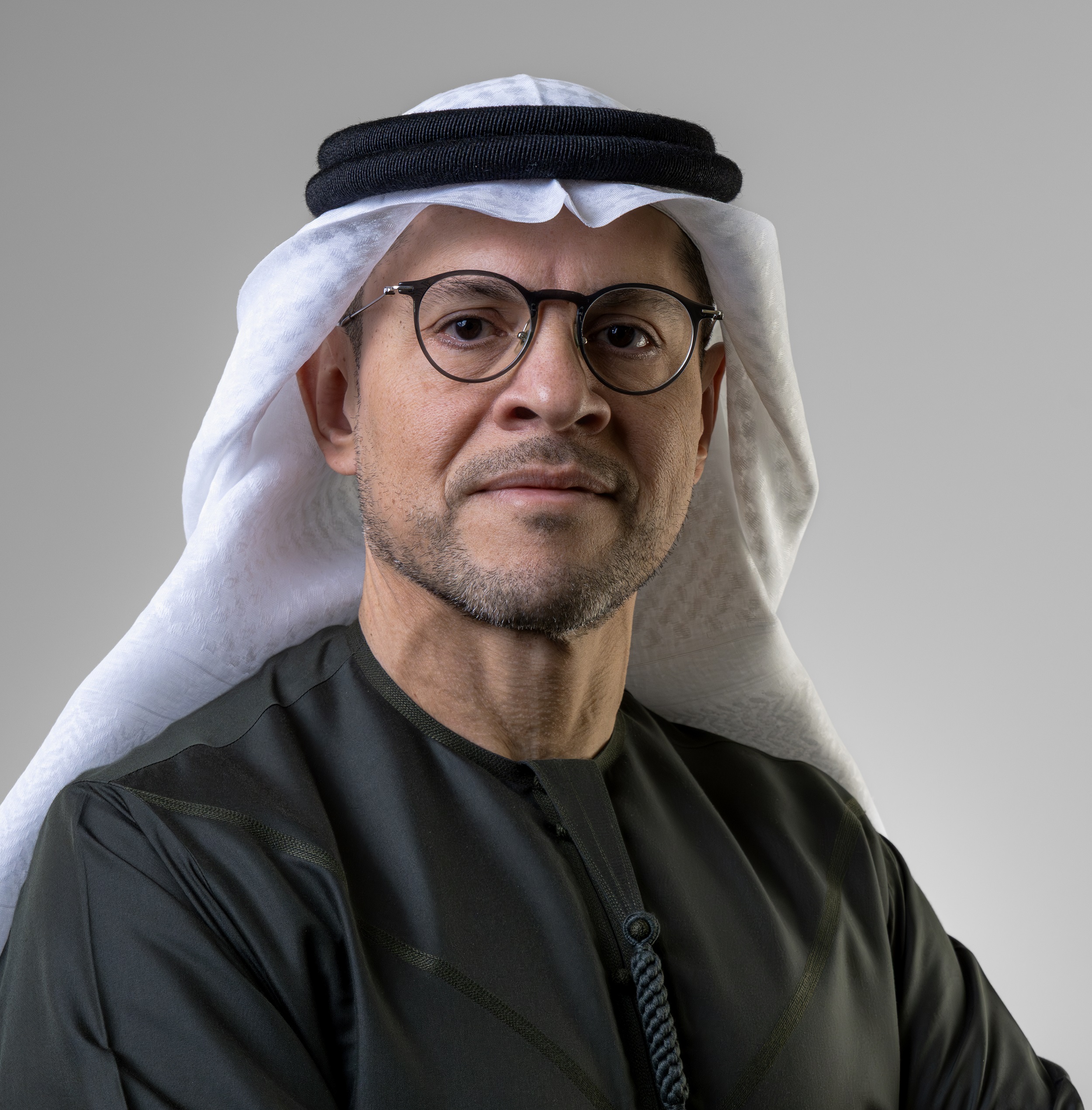
Mohamed Ali Al Shorafa
Chairman•Department of Municipalities and Transport, Abu Dhabi
Up Next
Next in agenda
The cities that get it right are rewriting the rules
Also on livability
A letter to the cities we have not built yet
Mohamed Ali Al Shorafa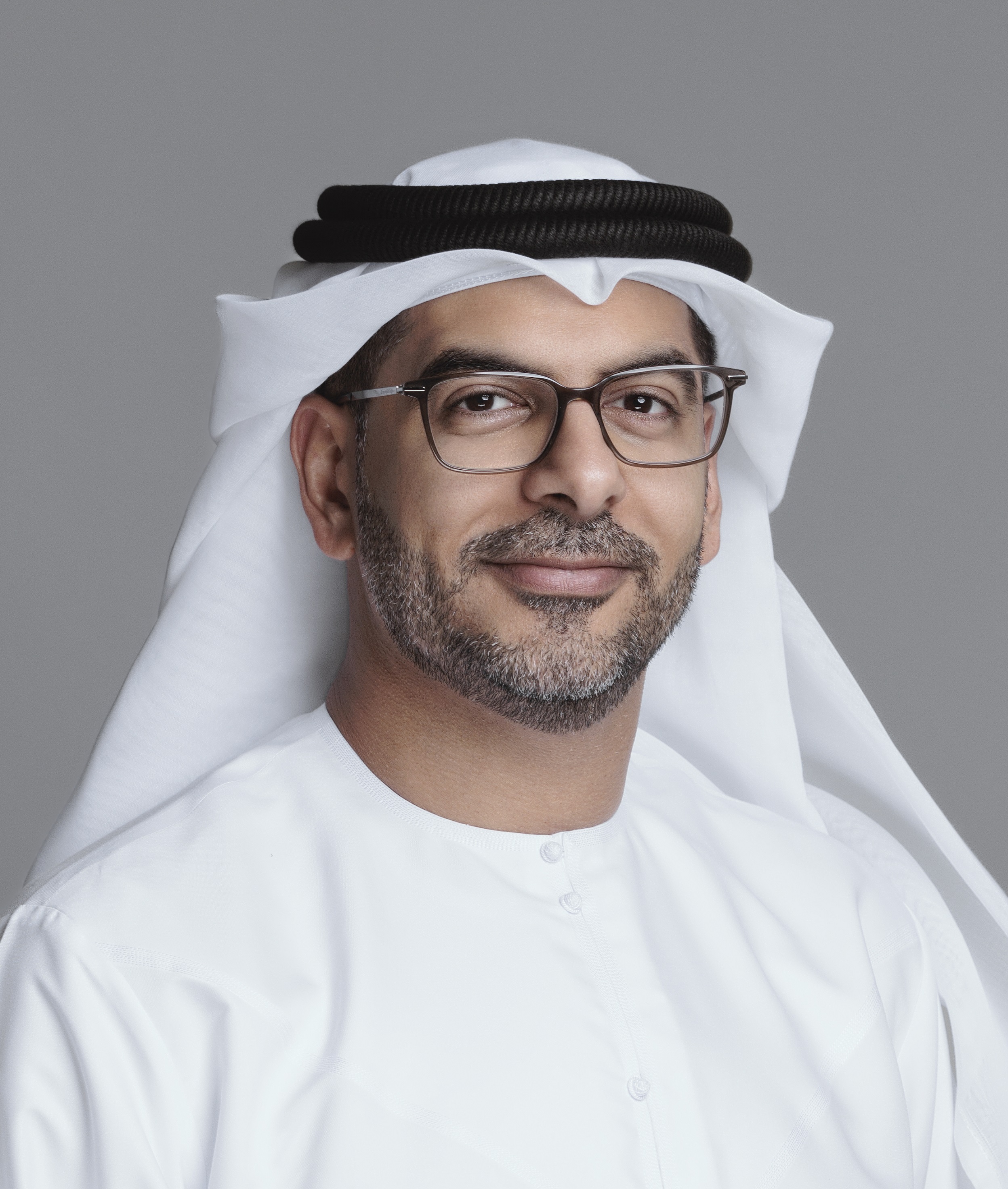
Also on abu dhabi