
Summary
The session’s core message was that accessibility should not be treated as a late-stage amenity or a service for a narrow group, but as a foundational design principle for city life across childhood, caregiving, disability, ageing, and changing family roles. Moderator Laura Buckwell framed the discussion around the move from accessibility to full inclusion, asking how cities can make inclusion part of every decision from the beginning. The panel brought together UAE family policy leadership, Abu Dhabi community development leadership, and an international disability-rights perspective to examine how inclusive urban design becomes meaningful in daily life, not just policy language.
Her Excellency Sana bint Mohammed Suhail began from the family perspective, arguing that a family-friendly city is not defined by landmarks but by whether everyday spaces such as parks and streets feel safe, comfortable, and usable for a mother with a pram, a grandfather, or a five-year-old child. She described Abu Dhabi work begun in 2023 to assess 23 sites across the emirate and understand how children and families use public spaces. In one neighborhood pilot, minor design changes in the same existing space led to a 65% increase in play, a 42% reduction in screen-time use, and three-times higher use by younger children. Her conclusion was that government entities must collaborate to design for different segments of society, because children grow, parents age, and family responsibilities shift.
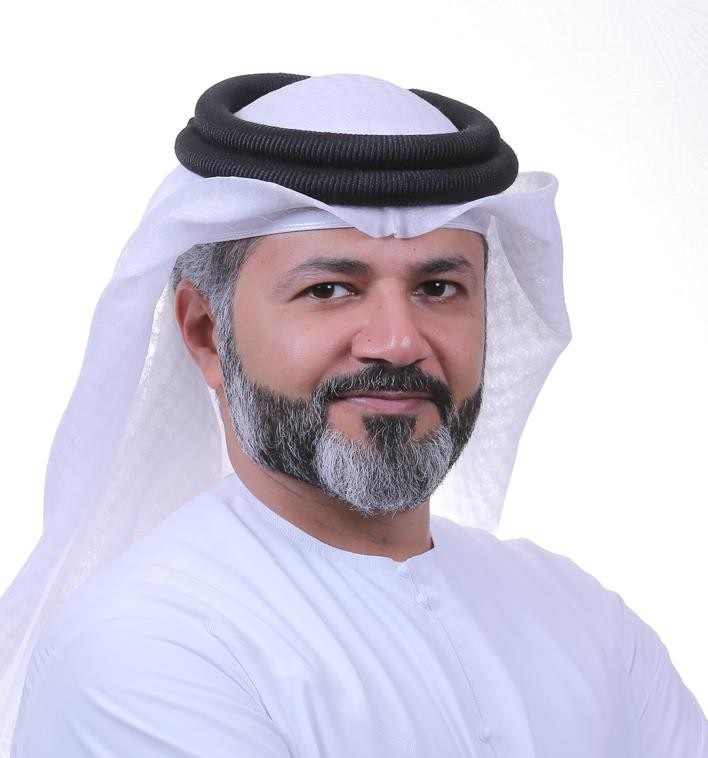
His Excellency Shamis Al Dhaheri connected inclusion to Abu Dhabi’s government vision for quality of life. He said the real test of inclusivity is whether people can participate, live independently, learn, work, commute, and access services with ease. He pointed to Abu Dhabi’s People of Determination Strategy, which includes 30 initiatives across six areas and is delivered through partnership between government, the private sector, and the third sector. The stated goal is to transform policies and systems so that life and inclusion for people of determination continually improve across Abu Dhabi.
Dr. Muhannad Alazzeh added the global and rights-based perspective, identifying two barriers that prevent accessibility policies from becoming meaningful inclusion. First, at the conceptual level, accessibility is too often understood narrowly as ramps, bathrooms, and physical access, rather than also including information access, choices, alternatives, and access to all services available to everyone. He argued that a shared definition should come from the CRPD, conforming national laws, and persons with disabilities themselves. Second, at the implementation level, he warned that accessibility is still too often handled as randomized or individual initiatives rather than embedded in systems and culture. Returning to families, Her Excellency Sana emphasized that Abu Dhabi’s City for Family Framework was built cross-sectorally around five goals, 15 strategies, and 63 actions across housing, mobility, health, education, and governance, focusing on people of determination, children aged zero to eight including pregnant women, families and caregivers, and senior citizens.
Key Topics
5 key topics from Majed Al Faresi, Sana bint Mohammed Suhail, Shamis Ali Khalfan Al Dhaheri, Abdulla Al Blooshi and Muhannad Alazzeh at LIVEX | Main Stage. Thicker branches were mentioned more often in the talk.
Key Takeaways
- Design inclusion into projects from the earliest planning stage.
- Assess how families actually use public spaces before redesigning them.
- Embed accessibility in systems, not isolated individual initiatives.
- Use disability stakeholders’ lived experience to define accessibility standards.
- Coordinate housing, mobility, health, education, and governance policies together.
“Inclusivity for us is not about accommodating the needs at the final stage of the design.”
Up Next

Next in agenda
Belonging is infrastructure

 S
Also on urban design
Density: The solution to everything or the cause of everything?
Also on urban design