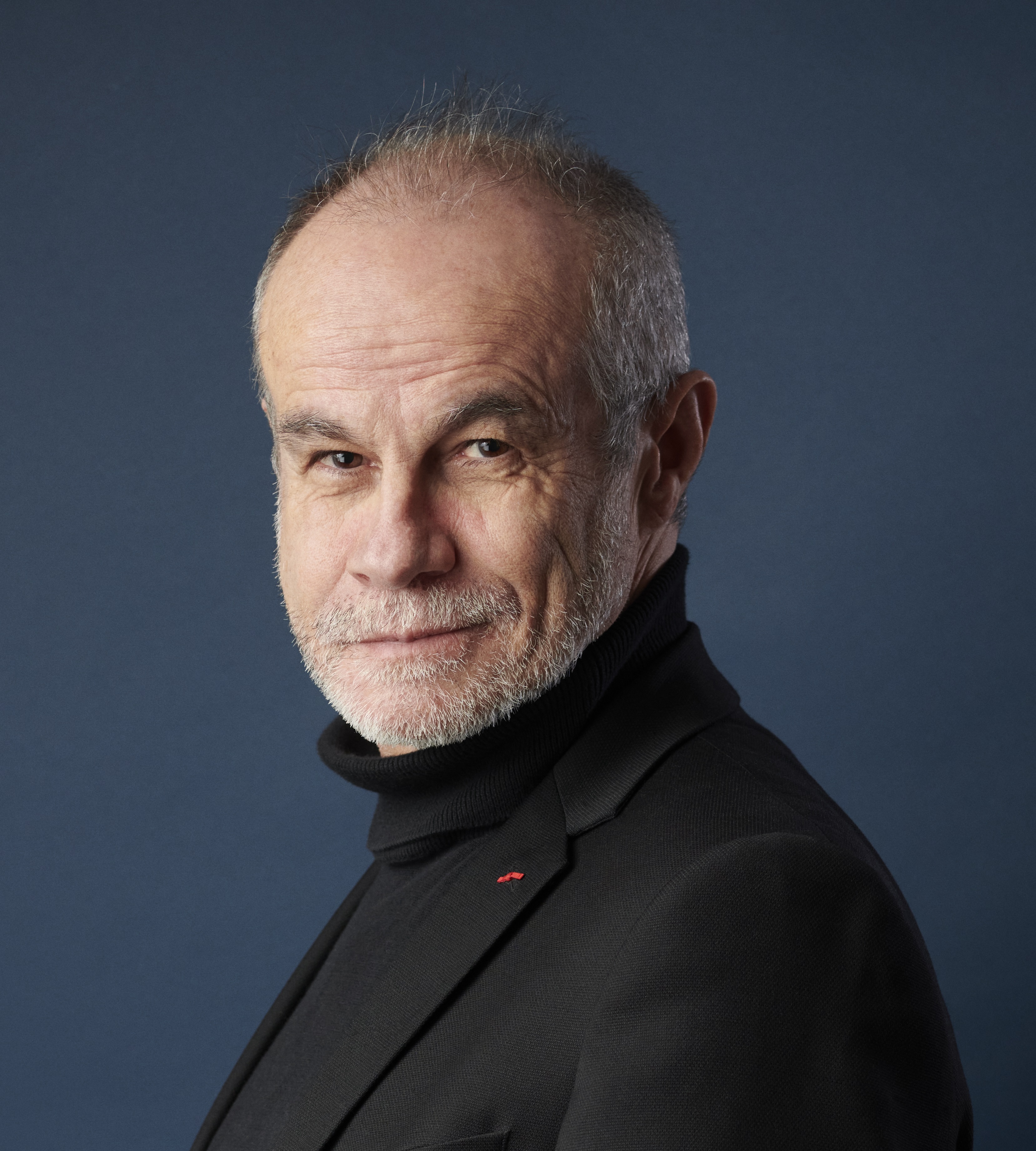
The 15-minute city: The best idea in urban planning or its most appealing?
The core value proposition tested in this Oxford-style debate was whether the fifteen-minute city should be treated as an aspirational model for other cities: a way to put work, schools, shops, parks, and daily services within roughly a fifteen-minute walk or bicycle ride from home. The moderator framed the concept as both one of urban planning’s most talked-about ideas and one of its most contested, then asked the audience to vote on the motion, “This house believes that a fifteen minute city is a model that other cities should aspire to.” The initial show-of-hands vote revealed limited commitment: the moderator estimated roughly 10% in favour, 5% against, and a large undecided group, giving both sides room to influence opinion.
Carlos Moreno, introduced as the originator of the concept, argued for the motion by reframing the fifteen-minute city away from a literal number of minutes. He said the least important point was the number itself, noting that implementations are increasingly described as the “X Minute city.” Using Paris as his principal example, he credited proximity planning under Mayor Anne Hidalgo with supporting urban transformation through walkability, bikeability, urban forests, recovery of the Seine river, social housing, and economic localisation. He stressed that proximity is not simply distance but “useful time,” tied to reducing CO2 footprint, preserving diversity, avoiding gentrification, supporting affordable housing, and relocating jobs closer to where people live.
Moreno also situated the idea within wider global and policy uptake. He cited implementations in European metropolises, middle cities, African and South American contexts, Central Europe, small areas, and rural territories, as well as laws or policy action in places including Scotland, Uzbekistan, Mongolia, Spain, Italy, and South Korea. He connected the concept to Paul Krugman’s “new economical geography,” local commerce, coworking after COVID-19, short circuits using local raw materials, and newer mobility standards that embrace polycentric cities and proximity. His closing proposition was that the model improves quality of life “every day, every time, everywhere in a city.”
Vladislav Boutenko opened the opposing side by first acknowledging the conceptual strength of Moreno’s work, calling it a revolution in urban planning because it moved measurement from distance to time and centred residents rather than developers. His critique was practical rather than conceptual. He argued that fifteen minutes can be too large for children, older people, and hot climates; too uniform for districts with different needs; and too geometric because real accessibility is constrained by highways, railways, and other barriers. In Abu Dhabi’s hot and humid context, he cited a radius of 240 metres, or about three minutes, as more realistic. He also argued that different amenities require different accessibility calculations, because a pharmacy, cinema, hospital, or café each has distinct frequency-of-use and economic viability constraints. The provided transcript ends during this critique, before the remaining speakers, rebuttals, final summary, and second vote are available.
urban-planning15-minute-cityproximity-planning+4 other speakers