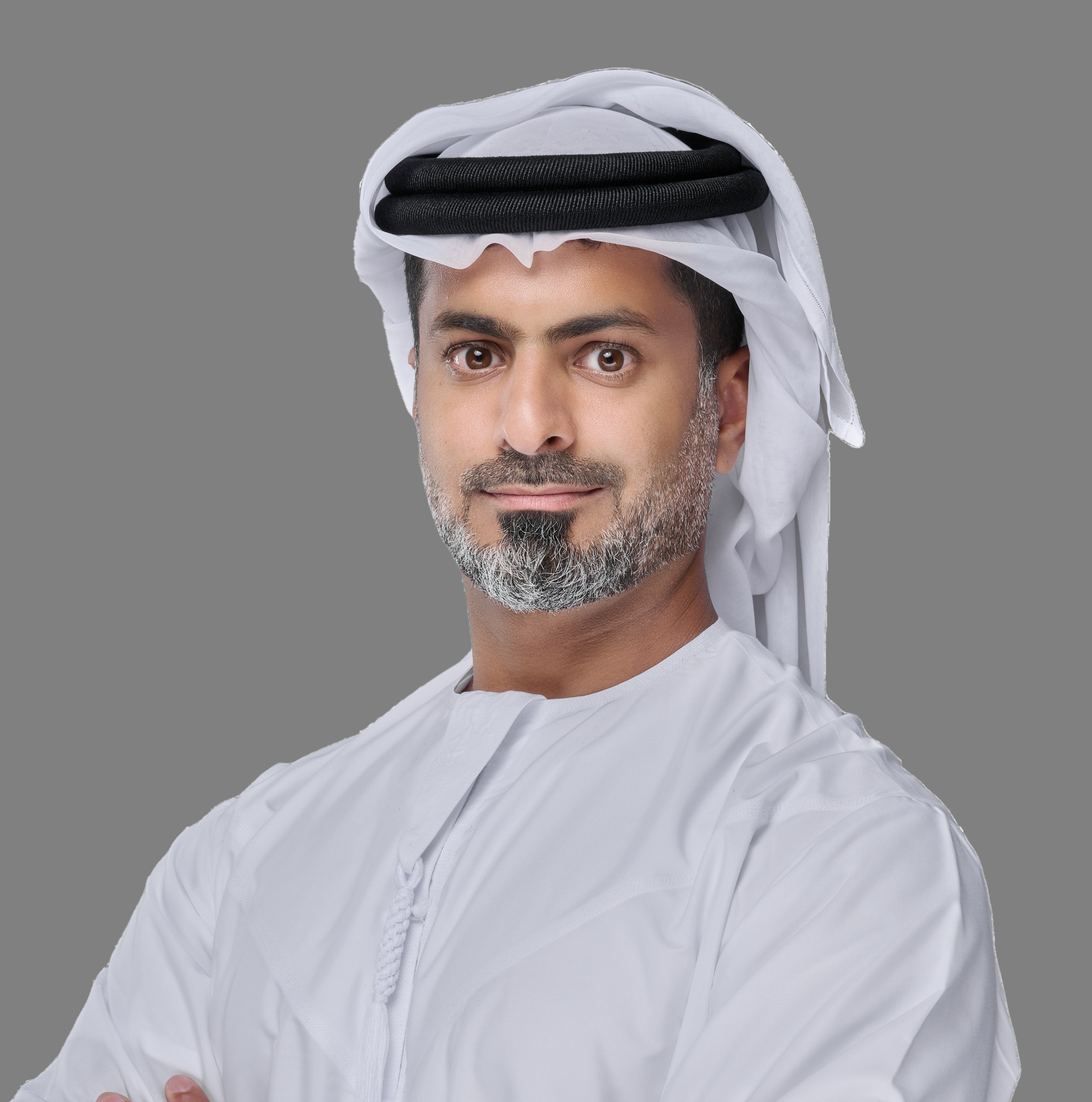
The stubborn optimist: Why sustainable cities are the defining investment of our generation
The session’s core message was that sustainable cities should be understood not merely as an environmental duty, but as a long-term investment capable of protecting value, strengthening resilience, and improving outcomes for people. The opening framed this through the Al Ain aflaj water channels, some believed to be close to 3,000 years old: systems dug by hand through rock and sand toward unseen water, for fields their builders would never harvest and families not yet born. The moderator used this as a definition of “stubborn optimism”: building because the future is worth it, even when the return is distant. That idea led directly into the session’s investment argument: cities eventually learn the difference between what is cheap to build and what is expensive to run over the next fifty years.
Farah Naz introduced the panel and positioned sustainable city investment as a way to close the gap between ambition and action. Masaood Al Masaood expressed confidence by pointing to Abu Dhabi’s transformation from desert roads to forested landscapes, crediting Sheikh Zayed’s early tree planting before carbon credits or ESG frameworks existed. He cited the UAE’s infrastructure investments, including nuclear and solar projects, as evidence that the region is moving in the right direction. Adrian Grenier described optimism as a creative discipline: despair kills imagination, while optimism helps him stay energized to build and identify future opportunities.
Jesper Brodin offered a balanced view, acknowledging climate change, nature loss, political challenges, and fear among youth, while arguing that the corporate world now knows decarbonization is both possible and good business. He cited IKEA’s experience since the Paris Agreement: business growth of about 24% while reducing full value-chain scope one, two, and three absolute carbon by more than 30% and saving money. Captain Saif Al Mheiri extended the optimism into maritime, one of the hardest sectors to decarbonize, noting that ships can last up to thirty years, 90% still use conventional fuel, maritime accounts for 3% of global GHG emissions, and over 90% of global trade moves by sea. His reason for optimism was that 50% of global order books for new ships are equipped with alternative fuels.
The investment discussion then shifted to how private capital can be mobilized. Al Masaood broke the opportunity into environmental, social, and governance dimensions, stressing collaboration among companies, government, regulators, individuals, and investors. He described Abu Dhabi Chamber’s role in supporting technology, local ecosystem companies, and sustainability-related ventures, including an ocean reef company taken to global conferences with other businesses to connect with partners. On governance, he highlighted the Abu Dhabi Family Business Council and argued that governance is essential because family businesses contribute 60% of GDP locally. The supplied transcript ends as Brodin begins explaining the Earthshot Prize’s focus on scalable sustainable solutions and its adoption of “positive tipping points” thinking from Exeter University.
sustainable-citiesclimate-investmentdecarbonization+4 other speakers