Built to move: How Abu Dhabi designs for an active life
The core message of the available session transcript is that active living in Abu Dhabi is not treated only as a personal fitness choice, but as an outcome shaped by city design, public infrastructure, leadership priorities, and consistent programming. The moderator framed the conversation around livability: whether people walk, cycle, play sport, or spend time outdoors often depends on access to safe routes, green parks, accessible spaces, and everyday environments that make movement feel easy. The panel was introduced as a discussion on what it takes to get people moving and keep them moving across ages, communities, and throughout the year, with His Excellency Aref Al Awani of Abu Dhabi Sports Council and Fouad Darwish of Palm Sports joining moderator Maryam Amiri.
Aref Al Awani responded by arguing that Abu Dhabi, Al Ain, and Al Dhafra have already been designed in ways that promote active lifestyles. He pointed to pedestrian walkways, dedicated cycling tracks near neighborhoods, pocket parks, and other community facilities, saying Abu Dhabi’s infrastructure investment has long focused on helping individuals move more easily. Rather than presenting sports entities as the sole drivers of active living, he emphasized that the city’s design gives institutions like Abu Dhabi Sports Council a strong base from which to expand activities and events. He also distinguished competitive sport from broader active living, stressing that the goal includes everyone: children, seniors, different genders, and people who may prefer swimming, running, beach activity, or other forms of movement suited to their lives.
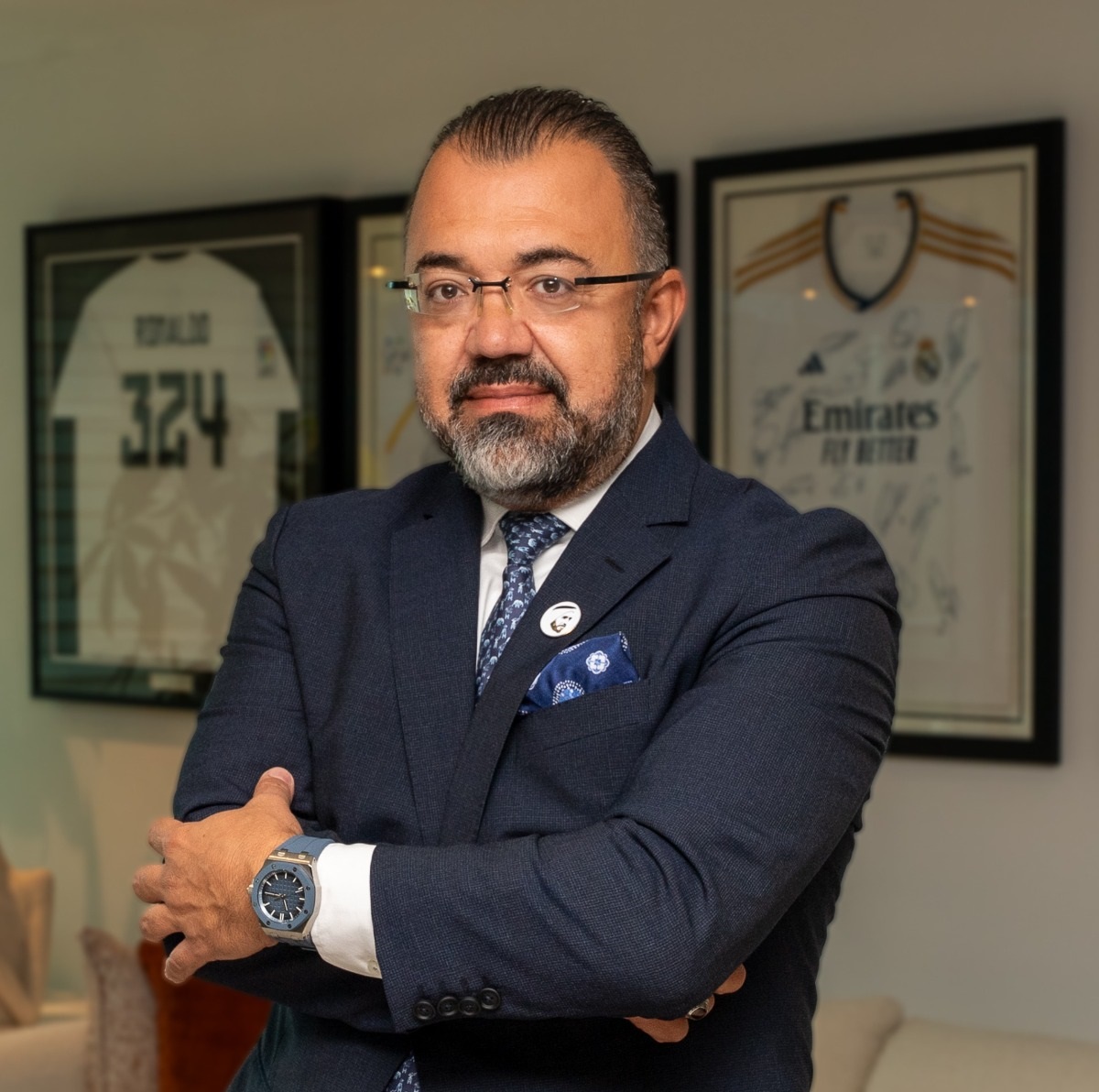
Fouad Darwish shifted the discussion toward consistency and public participation. He argued that facilities alone are not enough; education and dissemination of the advantages of an active lifestyle are essential. He described sport as part of the UAE’s national DNA, noting that sportsmanship, competition, and sports infrastructure have grown alongside the country. Palm Sports, in his account, acts as an operator that helps turn the strategies of authorities such as Abu Dhabi Sports Council into reality. He also connected sport to wider national development, saying the UAE leadership’s 2050 and 2070 visions included a sports pillar and that sport should be understood as more than individuals going to a gym.
The discussion then addressed common obstacles such as lack of time and Abu Dhabi’s hot weather. Aref Al Awani said Abu Dhabi has already worked to overcome these barriers, citing air-conditioned summer facilities and comparing seasonal limitations with winter challenges in Northern Europe. He gave the Abu Dhabi ADNOC Marathon as an example of how a major event can connect to year-round community training. He described training programs across Abu Dhabi, Al Ain, and Al Dhafra, referenced thousands of people completing the 42-kilometer marathon in recent years, and noted that 39 Abu Dhabi community participants had recently taken part in the Berlin Marathon. The transcript closes as he begins discussing Zayed Sports City, opened in 1979, as evidence that long-term sports infrastructure has been part of Abu Dhabi’s development since the era of Sheikh Zayed.
active-livingurban-designabu-dhabi+2 other speakers