Opening remarks
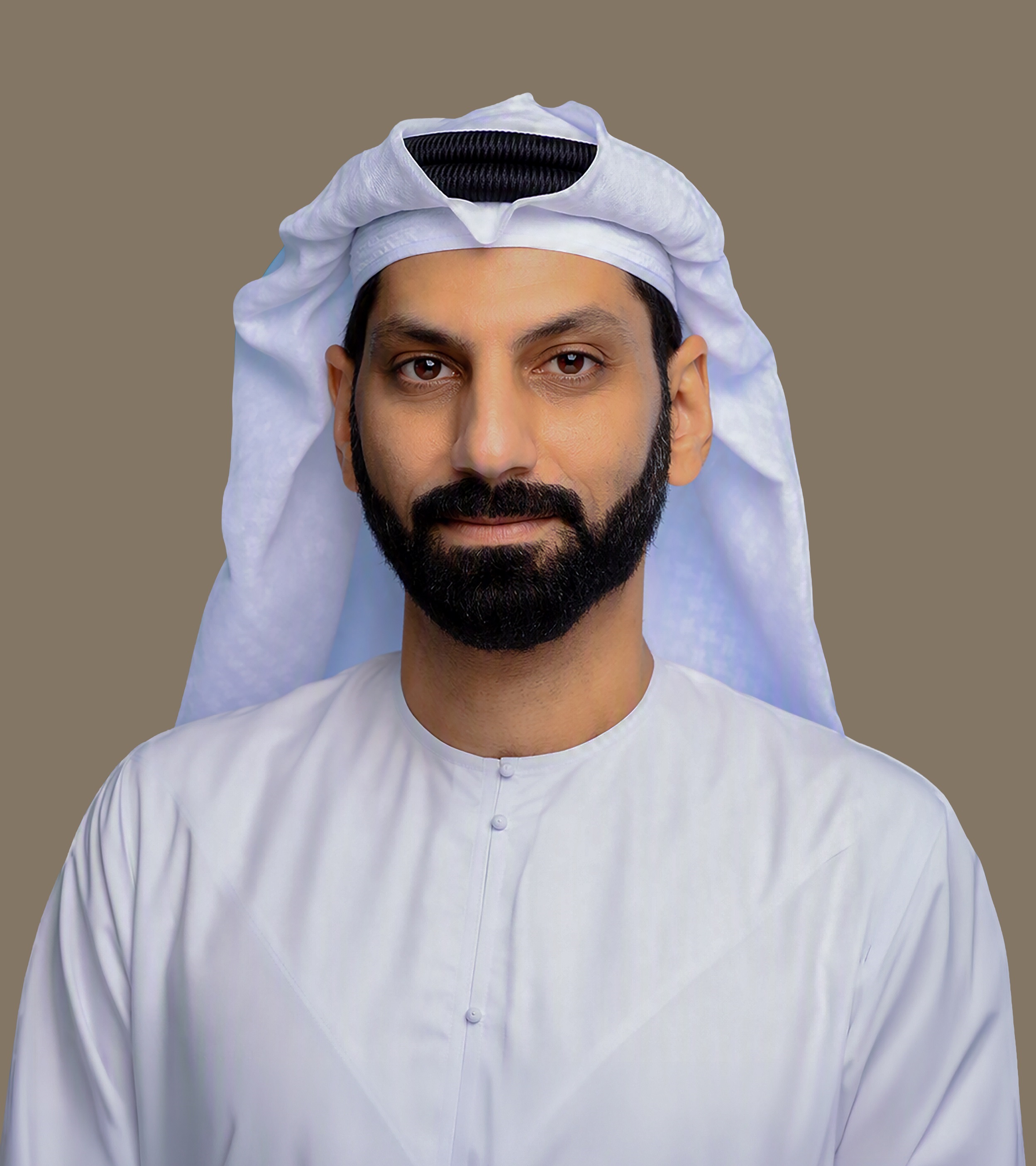
The core message of the opening remarks was that a “committed city” treats quality of life as a long-term operating principle for planning, investment, and governance, not as a campaign or isolated project. Katie Jensen and Youssef opened the third and final day of LiveX 2026 by framing the day around a single question: what happens when a city consistently puts quality of life at the center of its decisions over years and generations? They connected this theme to outcomes the event had already been exploring, including healthier people, stronger communities, investment confidence, cultural identity, and institutions designed around future generations. Katie then clarified the day’s translation headset channels before introducing Adel Abdulla Al Breiki, acting undersecretary of the Department of Municipalities and Transport, for the opening keynote.
Al Breiki built on that framing by defining the committed city as one that puts quality of life at the heart of how it plans, invests, and governs. He stressed that cities cannot rely on ambition alone because people’s needs change, technology advances, expectations evolve, and cities must evolve with them. His argument moved from understanding people and communities, to planning for long-term consequences in land use, infrastructure, mobility, and services, to investing consistently in the systems that make everyday life work better. A central point was that people do not experience the city as disconnected systems: transport affects access, planning shapes communities, infrastructure creates capacity, and each decision influences another.
The keynote then turned to technology as an enabler of more connected urban decision-making. Al Breiki said data, artificial intelligence, and urban modeling can help cities understand patterns, see how systems interact, and identify change earlier, from the scale of the whole city down to individual neighborhoods. He described this as the promise of a responsive city: better insight, earlier action, and greater precision. The results of sustained commitment, he argued, are felt in healthier lives, stronger communities, better access to opportunities, greater confidence in the future, and more enduring economic value. He explicitly positioned quality of life as both a social outcome and an economic asset that strengthens resilience, competitiveness, talent attraction, investment, and long-term confidence.
Al Breiki closed by grounding the message in Abu Dhabi, saying its progress reflects leadership that has placed people, quality of life, and long-term prosperity at the heart of development. He highlighted the visible effects across communities, infrastructure, and the public realm, as well as Abu Dhabi’s determination to embrace technology and innovation when they improve daily life and create opportunities. His conclusion turned the theme into a shared responsibility for governments, investors, developers, businesses, and communities: understand communities, plan long term, invest consistently, connect decisions, and use technology where it creates genuine public value. The measure of a committed city, he concluded, is not simply what it builds, but how its choices improve people’s lives for decades and generations to come.
urban-planningquality-of-lifesmart-cities