The cities that get it right are rewriting the rules
Abu Dhabi's rapid transformation and sustainable growth in an arid climate stem from a deliberate strategy prioritizing human quality of life, diversified resilience, and a unique model of civic belonging. The city's verdant environment does not solely depend on energy-intensive desalination; instead, a robust, multi-faceted water system integrates six distinct sources, including strategic groundwater reserves, rainwater harvesting, advanced recycling, and system-wide efficiency improvements, alongside proactive initiatives to reduce per-capita consumption. This forward-looking approach extends to critical infrastructure, which is designed to anticipate and enable future expansion, ensuring it actively fosters growth rather than becoming a limiting bottleneck. Significant planned investments underpin a strategic shift towards cleaner, diversified energy sources, bolstering long-term resilience, maintaining economic affordability, and enhancing global competitiveness.
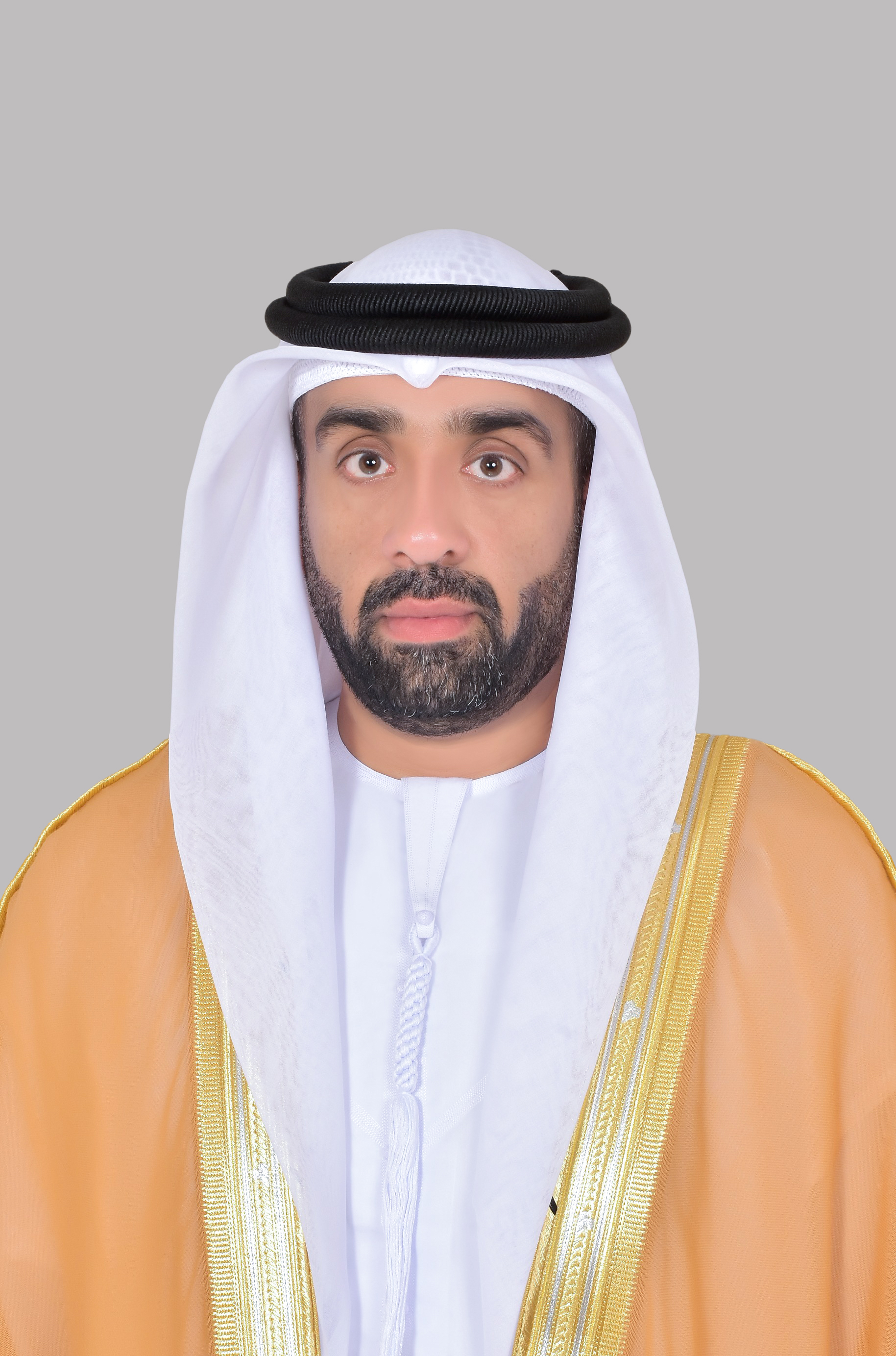
Mohamed Khalifa Al Mubarak frames the city’s development philosophy as a continuous elevation of quality of life, fundamentally distinct from a mere pursuit of iconic buildings or accumulated wealth. He describes a meticulously planned "human city" where foundational elements like safety, comprehensive education, accessible health care, vibrant public spaces, rich culture, and equitable opportunity are not isolated amenities but are cultivated as mutually reinforcing components. Social cohesion among over 200 nationalities is actively fostered through clearly enforced expectations of mutual respect and acceptance, complemented by a deeply embedded, family-oriented view of government and society that consistently prioritizes collective well-being and shared prosperity.
Addressing the inherent risks of unchecked urban expansion, Abu Dhabi employs sophisticated coordinated planning, robust regulatory guardrails, and continuous data-driven decision-making. A substantial undeveloped land bank is strategically maintained, with significant portions explicitly reserved for natural preservation or for future generations, demonstrating a profound commitment to long-term environmental stewardship and intergenerational equity. Government work is consistently portrayed as dedicated service, fundamentally distinct from mere sectoral administration; this profound philosophy actively attracts highly committed talent, empowering leaders to directly translate overarching national values into tangible, measurable improvements in people’s daily lives. This comprehensive governance model culminates in a reciprocal social contract: those who benefit from societal support are inherently expected to return their knowledge, passion, and effort, thereby ensuring a continuous cycle of collective progress and a truly sustainable future for the emirate.
urban-planningabu-dhabiquality-of-life+2 other speakers