The city that thinks: Who does it think for?
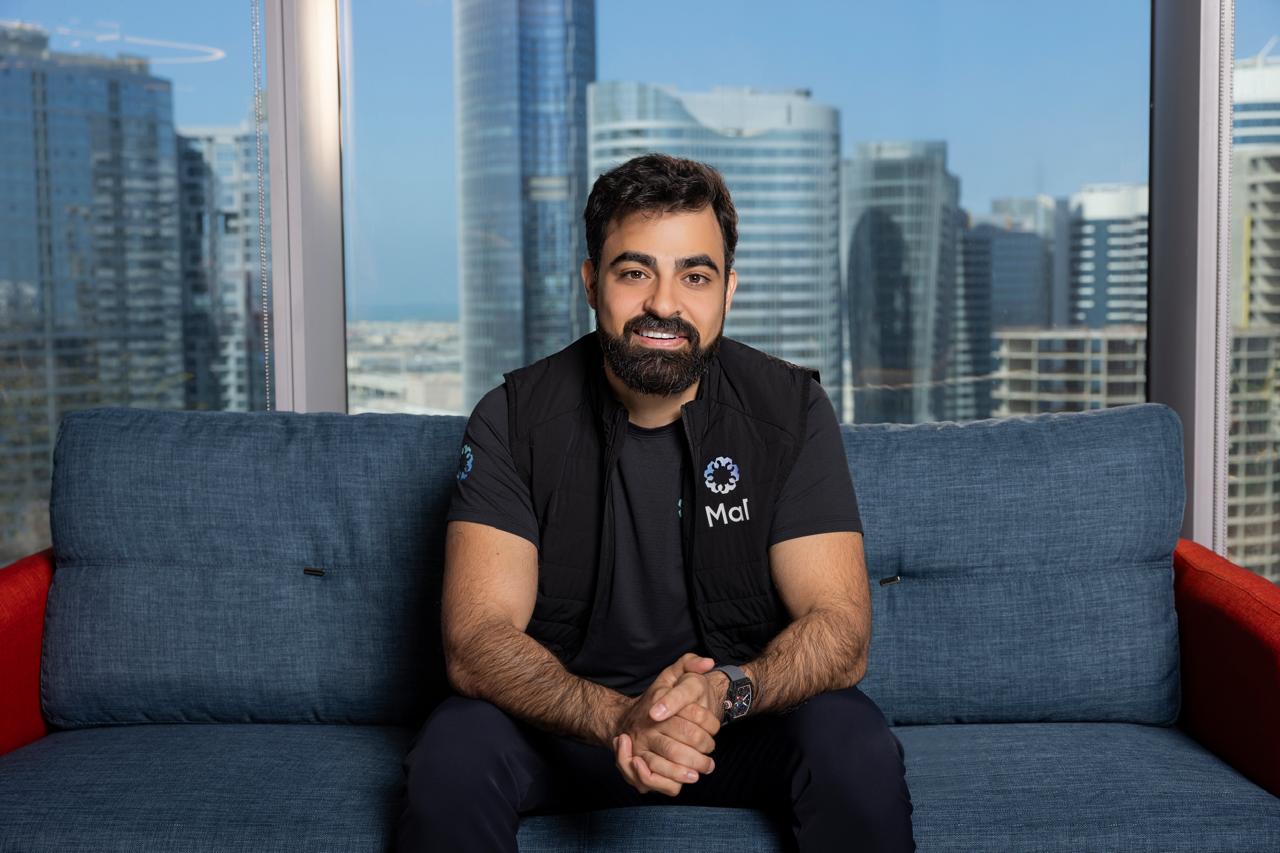
The core message of the session is that an intelligent city should be judged not by the complexity of its technology, but by how much confidence, time, freedom, and simplicity it creates for people in everyday life. The moderator framed the discussion around whether AI-enabled cities are genuinely improving the lives of their residents, then introduced H.E. Faisal Al Bannai, adviser to the UAE President for Strategic Research and Advanced Technology and Secretary General of the Advanced Technology Research Council. Al Bannai argued that when a city works well, residents do not think about the systems behind traffic, infrastructure, services, or safety; they simply trust that things will function and can focus on their own meetings, work, and ambitions.
Al Bannai described Abu Dhabi’s smart-city direction through concrete examples: autonomous taxis taking people from the airport, delivery vans operating across the city, and autonomous robotics inspecting buildings and infrastructure before issues affect people. He stressed that making ordinary life feel simple requires serious work: reliable technologies, operators who learn from daily experience, confident regulators, capable talent, innovative businesses, and a research ecosystem focused on impact rather than research for its own sake. Examples included advanced sensing to detect underground infrastructure risks early and advanced ceramic membranes for desalination that could lower energy use and last longer. His standard for research was direct: it should solve people’s needs, improve lives, create better experiences, and support better businesses.
The keynote then positioned Abu Dhabi as a competitive testing ground for technology companies, combining research centers, innovative companies, forward-thinking regulators, and bold clients. Al Bannai invited innovators to bring ideas to Abu Dhabi, test them there, and build solutions that others can depend on globally. He also made a specific prediction: in the next eighteen months, Abu Dhabi would see a “dramatic leap” in what is happening technologically, and he offered to return the following year to show the delta between the current state and the future progress.
The panel that followed shifted from civic infrastructure to personal AI agents and how they may interact with smart cities. Dr. Ayesha Khanna introduced Tom Gruber, Steve Chen, Abdallah Abu-Sheikh, and Frank Dai, then asked what they were working on and what excited them about cities. Gruber connected the discussion to the emergence of modern personal AI agents, comparing Meta’s Muse to a modern Siri and explaining that personal AI differs from workplace AI because it may know deeply about an individual’s life. In a smart-city context, he argued, an AI agent could discover city services relevant to a person, interpret eligibility rules, and even cryptographically prove qualification for benefits—such as transit or parking privileges linked to a medical condition—without revealing the medical condition itself.
smart-citiesabu-dhabiai-agents+5 other speakers