Belonging is infrastructure
The session reframed infrastructure as more than roads, utilities, bridges, and buildings: it argued that belonging and social connection should be treated as essential design outcomes in city-building. Moderator Nadine Hani opened by contrasting traditional city metrics such as GDP, traffic flow, and transit speeds with the idea that social connection is as fundamental to human health as clean air and water. The central question for the panel was how cities can intentionally create, and eventually measure, a sense of belonging through streets, public spaces, neighborhoods, technology, and community-oriented planning.
His Excellency Engineer Eisa Muzrouei described the Department of Municipalities and Transport and the Infrastructure Development Directorate’s approach as a collaborative journey with the community. He emphasized that projects are not designed simply to be delivered, but to create daily value, improve livability, and make Abu Dhabi more enjoyable for residents and visitors. He gave specific examples: the Al Arabiya Marine Bridge reduced peak travel time to Al Arabiya Island by fifteen minutes, equal to 60%, while Abu Dhabi added up to 350 parks and expanded cycle tracks from 900 kilometers to more than 2,000 kilometers. These projects, he said, came through collective work among government stakeholders and the community.
Jim Hagemann Snabe then introduced a framework for thinking about urban development beyond technological feasibility and financial viability. He argued that cities must also be desirable, especially in the sense of creating community. He warned that as technology and AI take more attention, cities have an opportunity and obligation to keep the focus on human beings rather than screens. He cited the fifteen-minute city as a model for reducing commuting and strengthening local community, and described successful urban technology as something that becomes invisible: predicting behavior, reducing wasted traffic time, optimizing buildings, and improving services behind the scenes.
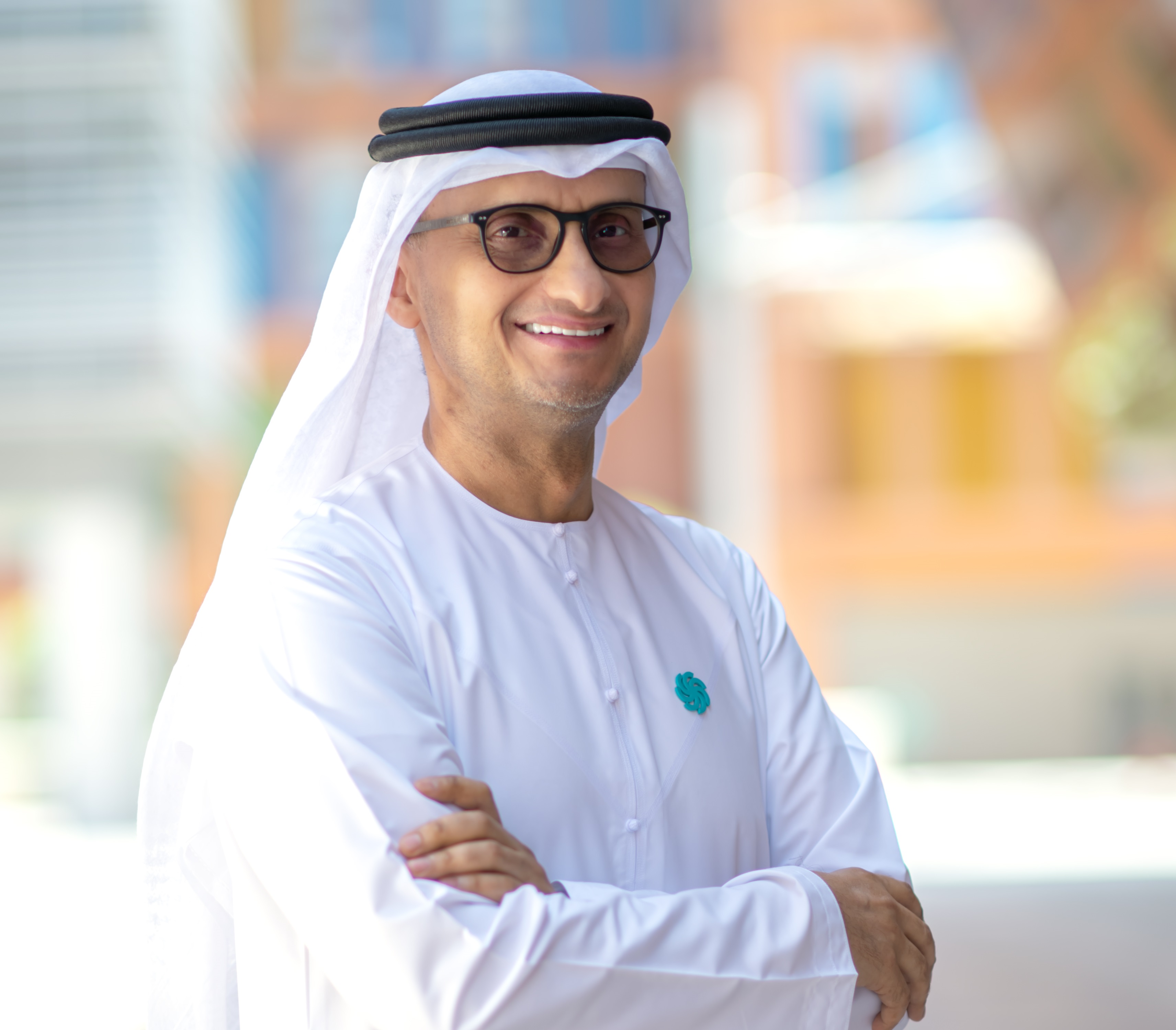
Ahmed Baghoum connected these ideas to Masdar City, saying its master plan has centered on human beings since 2006. He described a city designed around livability, where people can work, send children to school, spend evenings, and access essential destinations within roughly fifteen minutes. He also outlined Masdar City’s three sustainability pillars: environmental, commercial, and social sustainability. The ecosystem includes schools, the Mohamed bin Zayed University of Artificial Intelligence, and more than 2,500 companies in the economic zone, all intended to make it easier for people to work, play, live, and build community.
urban-planningbelongingsmart-cities+4 other speakers